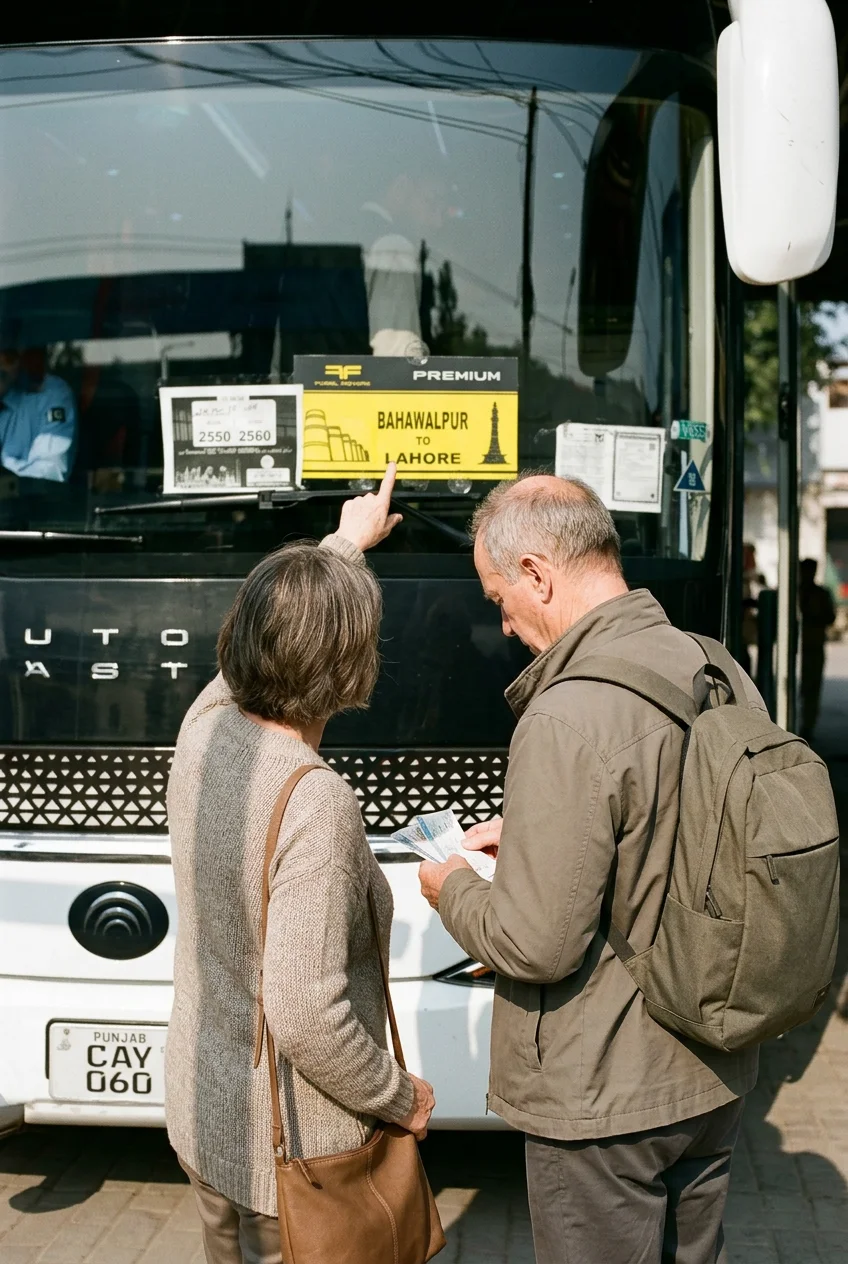
Travelling Pakistan by Bus: A First-Timer's Guide
I have travelled Pakistan by intercity bus all my life. I grew up in Bahawalpur, in southern Punjab, and the bus network has taken me to Lahore, Islamabad, Karachi, Multan and beyond—for family visits, for work, and simply because I love the road.
Watching Pakistan unfold through a coach window is one of the best ways to understand the sheer scale and variety of landscapes of the country.
Heading north from Bahawalpur, the edge of the Cholistan Desert gradually gives way to the fertile, canal-fed plains of Punjab, where endless stretches of mustard fields, mango orchards, and brick kilns roll past for hours.
Cross onto the M-2 motorway toward Islamabad, and the flat farmlands suddenly buckle into the dramatic, red-rock ridges and winding gorges of the Salt Range.
Further north, those foothills climb toward the pine-covered slopes of the Himalayas and the rugged, snow-dusted peaks of the Karakoram, while southbound routes drop through the arid plains of Sindh toward the Arabian Sea coast in Karachi.
Along the way, the journey offers a front-row seat to everyday Pakistani life that you simply miss on a domestic flight.
You see elaborately painted Bedford trucks roaring down the highways with jingling chains, bustling roadside dhabas (truck stops) steaming with fresh chai and naan, and the quiet rhythm of rural towns waking up at dawn.
Friends often ask me the same questions before their first bus trip: how do I book a ticket, which seat should I choose, what should I check at the terminal, and what is the journey really like?
They are the same questions that international tourists would likely ask, as well as the important question: Is intercity bus travel in Pakistan safe?
Is Intercity Bus Travel in Pakistan Safe?
Many travel guides and traveller forums say intercity bus travel in Pakistan is generally safe and reliable, and popular among foreign tourists, provided you stick to premium bus services.
While international travel advisories often emphasise general security alerts for the country, the physical reality of traversing between main tourist hubs via the top-tier bus networks is straightforward and easy to achieve once you know how the ticketing systems work.
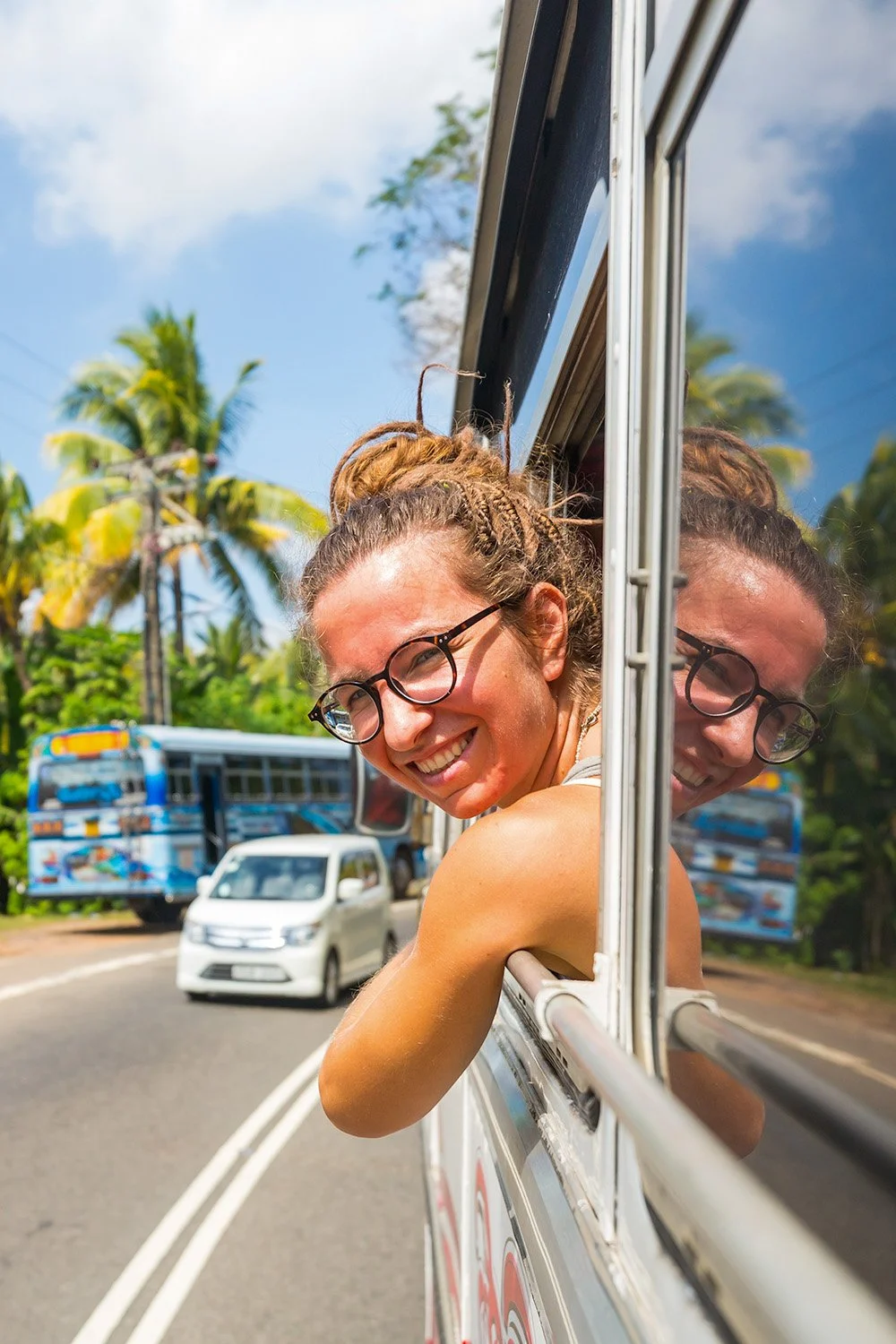
Bus travel in Pakistan is a great way to enjoy the scenery.
However, note that this advice applies only to the premium intercity bus services. Travelling on local bus services is not recommended for first-time travellers in the country.
Even for experienced budget travellers, using the cheaper local bus services can be fraught with problems from lower road safety standards to being pestered by touts in terminals, and should be avoided by foreign tourists. The same applies to van and taxi services.
Best Intercity Bus Companies in Pakistan
There are four premium bus operators in Pakistan—Faisal Movers, Daewoo Express, Road Master and Bilal Travels. The first two have the most extensive networks across the country and are a notch above the last two.
The largest is Faisal Movers with over 1,000 buses and 200 destinations, and that’s the company I’m going to be mainly writing about in this article because that’s the operator I know best.
Daewoo Express has about half the number of intercity buses in their fleet compared to Faisal Movers, and whilst Road Master and Bilal Travels operate on a smaller number of routes, they are a satisfactory backup if tickets on the top two operators are sold out.
How to Book Bus Tickets in Pakistan
You have three ways to book a bus ticket in Pakistan: online through the bus company's app or a booking partner, by phone on the operator's helpline, or at the terminal counter.
Online booking is the easiest for a first-timer. You pick your route, your seat and your class, and you get a confirmation you can show at the terminal.
If you have to book at the counter, arrive early on busy days—Friday evenings and Sundays are the worst, and seats on the popular routes often sell out.
A ticket booking office adjacent to a bus terminal.
Keep your ticket and your passport (or ID for locals) with you. At the terminal, the counter staff will check your booking before you board, and on some routes, they will check it again during the bus journey.
A screenshot of the online confirmation is usually enough, but I always carry the ticket itself as well because a dead phone battery at the wrong moment is a problem you do not need.
Choosing Bus Seats in Pakistan
On Faisal Movers there are two classes: Economy and Business. Economy is a standard long-distance seat and may suit budget travellers.
Business costs a little more and gives you wider seats and more space, which matters on a long overnight run. Most foreign tourists choose Business for the extra comfort.
Other operators use their own class names, so check what each name means at booking time instead of assuming one company's class names match another's.
There is no wrong choice here. Pick what suits your budget and your journey length. For a short daytime trip of two or three hours, Economy may be all you need, but for an eight-hour overnight journey, the extra space of Business is definitely worth it.
If travelling economy, avoid seats at the back near the toilet and over the wheel well that is usually about two thirds of the way back. Those seats have restricted legroom.
Business class seats provide additional comfort.
Fares change with fuel prices and with the season, so treat any fare you read online as a range, not a fixed price. On my own guide I list fares as ranges and always say "confirm at the terminal" — and I mean it. The only fare that counts is the one the operator is charging on the day you travel, on the route you are actually taking.
Before you travel, check the fare on the operator's official booking page or ask at the terminal counter. A quick check before you leave saves you a surprise at the counter, and it also tells you whether the price you were quoted by someone else was honest.
Never buy a ticket from a stranger at the terminal who offers you a ‘cheap ticket’ away from the counter.
Navigating Bus Terminals in Pakistan
Reach the terminal thirty minutes early. That sounds like a lot, but big terminals—Lahore, Islamabad, Karachi, Peshawar, Multan, Faisalabad for example—are busy places, and finding the right counter, the right waiting area and the right bus takes time when you have never been there before.
Check the departure board, confirm your bus number with the counter staff, and keep your luggage in sight.
Terminals in cities like Rahim Yar Khan are not so busy.
Small terminals are calmer but have fewer facilities, so buy water and anything else you need before you board. If you are unsure where to stand, ask the counter staff or the driver—in my experience, people at Pakistani terminals are glad to point a first-timer in the right direction.
And if your bus is delayed, the departure board and the counter are the only reliable sources. Do not trust a rumour in the waiting hall.
Important Travel Tips
Most intercity buses have a luggage hold, and your big bag goes there. Keep a small bag with you on the seat: water, a phone charger, a light shawl for the air conditioning, any medications you need, and your ticket and passport.
Label your big bag with your name and local phone number if you have one, and note which side of the bus it was loaded on—it makes collection at the other end much quicker.
If you are carrying something valuable, keep it with you rather than in the hold.
Luggage loaded into the hold of an intercity bus.
Travel light if you can: one bag you can wheel yourself is more practical than two or three bags you have to drag through a crowded terminal.
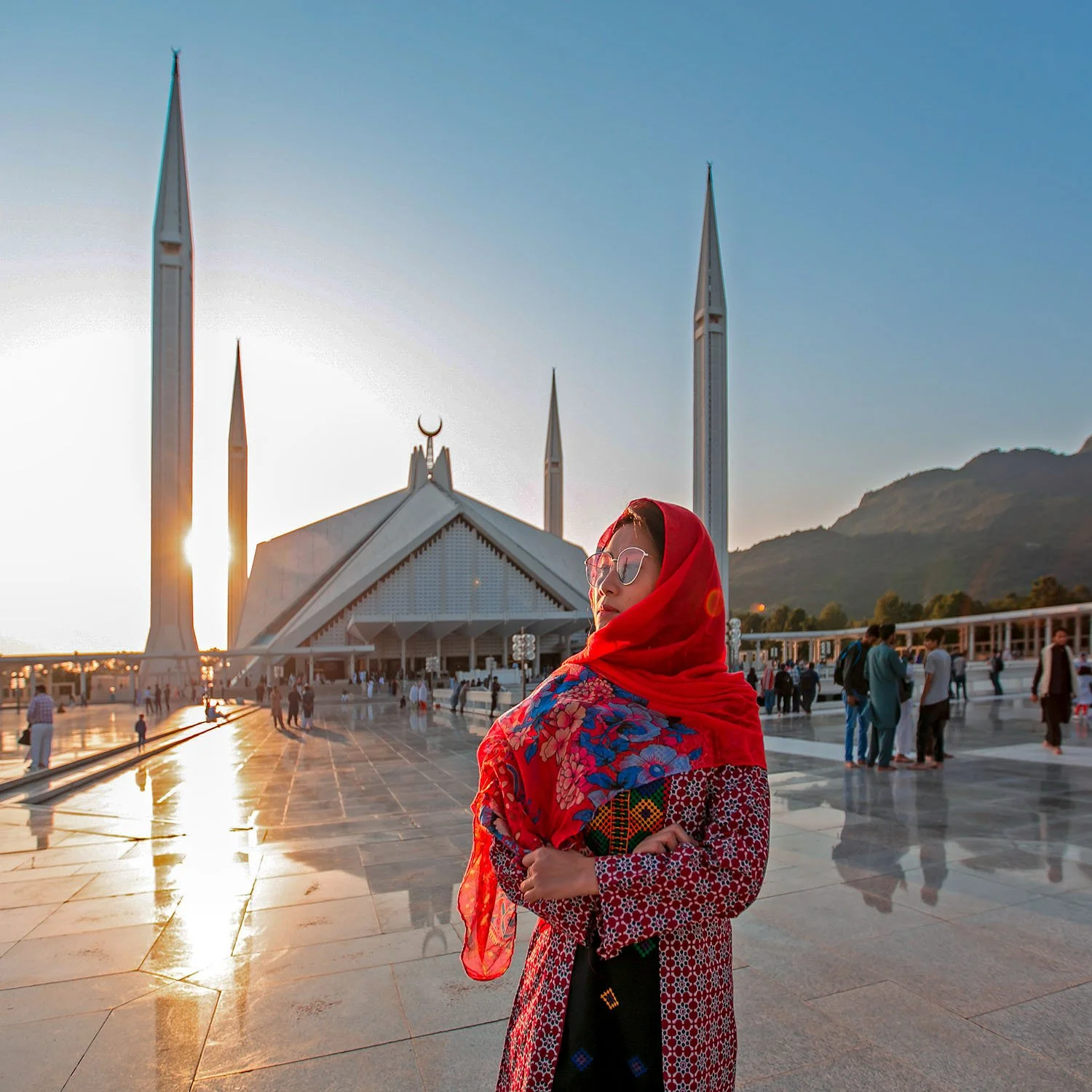
Dress modestly when travelling in Pakistan, covering both arms and legs. Men should not wear shorts. Women may wear blouses or dresses with three-quarter sleeves but ensure shoulders are fully covered with no plunging necklines. Head coverings are not necessary in Pakistan (except when visiting religious sites).
Many of Pakistan's most popular bus routes have overnight services—you board in the evening and arrive in the morning, which saves a hotel night and a day of travel. It works well if you prepare for it.
Choose a daytime departure for your very first trip if you are nervous and try an overnight run once you know how booking and boarding works.
For overnight journeys, a window seat lets you lean against the side, a light shawl keeps the air conditioning off your shoulders, and earphones help with the road noise.
Tell the conductor your stop when you board, especially if it is a small town rather than the final terminal—buses do not always announce every stop. Keep your phone charged and keep your bag where you can feel it.
Planning a First Multi-City Trip
My advice for first-timers is simple: start with one route, not five. Lahore to Islamabad, or Lahore to Karachi, is a good first trip—a comfortable distance, frequent buses, and easy terminals at both ends.
Once you are more familiar with how booking, boarding and arrivals work, add more cities. Pakistan is best seen slowly, one city at a time.
When you plan further, think in terminals, not just in cities. Each company has its own bus terminals, and large cities have multiple terminals. For example, Lahore has four terminals for Faisal Movers alone. So the terminal you leave from is not always the one you arrive at on the way back.
The bus terminal in Bahawalpur where I am based.
Check the terminal name when you book, not just the city name, and give yourself time between connections. If a connection is tight, it is better to wait for the next bus than to run across a strange city with your luggage.
Personal note: I started building FM Ticket Guide in 2026 because I could not find an honest, complete English guide to bus travel in Pakistan—fares, timings, terminals, booking steps and a bus tracker, all in one place.
What I have published on my site is written from my own journeys rather than copied from somewhere else. If this guide helps you plan a trip, please share it with someone who needs it.
And if you have travelled these roads yourself, you already know the best part: the window seat, the changing landscape, and the people you meet on the road.
Images: © Rizwan